Having a good credit score unlocks your financial potential, allowing access to more financial services that can support your next steps towards your goals, be it a dream home, a car loan, or added capital to grow your business.
Your credit score tells banks and other financial institutions how well you handle money matters, based on how you use your credit accounts such as credit cards, loans, or mortgages. A credit score reflects your creditworthiness, showing banks and other financial lending institutions about your credit borrowing and repayment behavior to help them assess your credit risk.
A higher credit score generally indicates that you are a lower-risk borrower, which can offer you better loan opportunities and payment terms. Your credit score shows your recent credit behavior, so it may change over time depending on your credit situation. It is best to keep your credit score consistently on the right track, and to check on it constantly to see how you are faring.
Credit scores assessed by TransUnion range from 300 – 950, with a higher score indicating higher trustworthiness; while credit ratings also range between A and J, with A being the highest grade. Some of the factors that could affect your credit score include your repayment history, debt utilization, length of credit history, credit mix, and any new account openings.
If you want to level-up your credit score, here are 6 ways to improve your credit score:
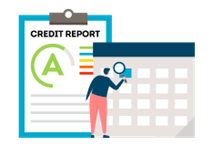
1. Pay bills on time
Not only will this avoid the hassles of service disconnection and late fees on your utilities, but you also boost your trustworthiness factor on your credit score. It is important to understand that even a day’s delay in your payment of your bills, credit card, personal loan and mortgage payments might affect your credit score. To make sure that you won’t forget to settle your accounts on time, you can enroll in automatic payment services, and to check if your automatic payments are being credited to your account in a timely manner.

2. Plan a credit budget
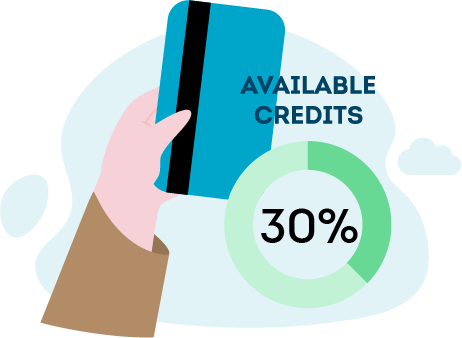
When your credit card is approved, you are given a credit limit. It is advisable to avoid using more than 30% of the approved credit limit to keep a good credit score. Decide how much credit you’ll need based on your regularly spending and factor this in with your purchases. If you project a big-ticket purchase for a particular month, such as an upcoming trip. you can ask the bank to increase your credit limit for that month.
3. Go above the bare minimum
It is a common practice to only pay a minimum payment on your credit card each month. Not only might this affect your credit score, but it also leads to higher interest charges and a longer repayment time on your debt. It is better to pay full balance, if you can -- to build credit trustworthiness.
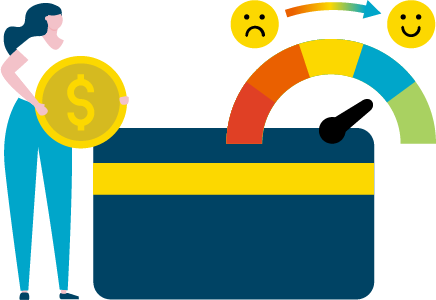
4. Avoid too many credit applications in a short period of time
Your credit report shows the number of inquiries made by TransUnion’s members about your credit profile for your credit application. If you have too much, too soon, this might suggest that your financial situation could be unstable. It’s better to space it out and wait for a few months before you apply for a new credit card again.

5. Have a healthy credit history
If you don’t have any credit history, there won’t be any basis for lenders to determine your financial situation. Repaying your credit card bills in full and on time helps to establish a healthy credit history. The same goes with your personal loans.

6. Check your credit report regularly
Check your credit score regularly with TransUnion and maintain a healthy credit score. In case you catch any irregularities and you can fix it in time. One of the best times to do so is before you make your loan application. If you are planning to apply for a loan, you can check your credit score 6-12 months in advance to understand your situation and find ways to improve it if needed.
To make sure that your credit score is on track, you can also apply for the TransUnion Credit Report to monitor your credit score trend and changes. This helps you to keep your credit status at a healthy level easily. If you think there is a mistake, you can alert TransUnion or the related financial institutions immediately.
Hindi kailangang complicated ang credit score calculation. Easy lang ‘yan sa TransUnion! Magpa-assess sa TransUnion para malaman ang credit score ng walang hassle before you make your next financial moves.